Many homeowners across Teesside worry about the cost of installing a new stairlift, particularly when addressing mobility needs or household adaptations. What many families do not realise is that financial help is available through the Disabled Facilities Grant (DFG). This guide explains how the grant works in 2025, who qualifies, how to apply, and what to expect during the process.
Money 4 Stairlifts speaks with residents in Middlesbrough, Stockton, Redcar & Cleveland, and the wider Teesside area every day about the cost of stairlifts. This blog aims to give clear, straightforward guidance to anyone looking for support with funding.
What Is the Disabled Facilities Grant (DFG)?
The DFG is a government-backed grant designed to help people with disabilities make essential changes to their homes. The goal is to help individuals stay safe, remain independent, and avoid the need for relocation or assisted living.
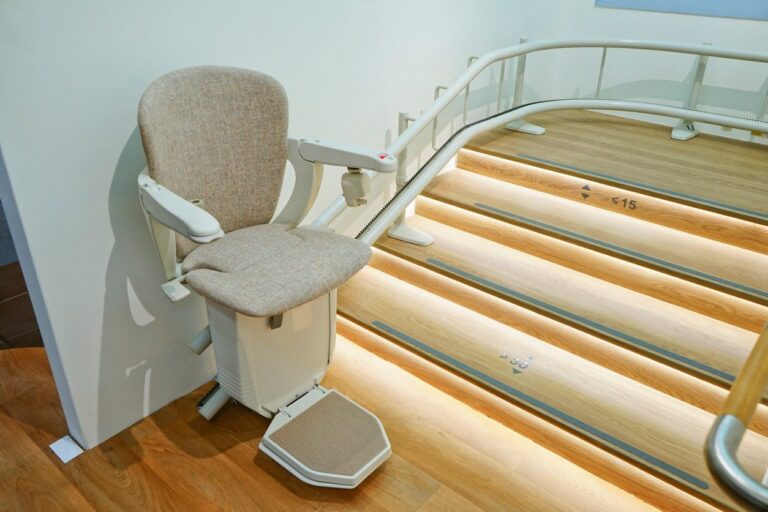
A stairlift is one of the most common home adaptations funded by the grant. Because stairlifts improve access between floors, councils regularly approve applications when mobility needs justify the installation.
Who Can Apply for a Stairlift Grant in Teesside?
To qualify for the DFG, applicants must meet specific criteria. These rules help local authorities ensure funding is used appropriately and reaches households that genuinely need support.
Applicants must usually meet the following:
- The person needing the stairlift must have a physical or mobility-related disability.
- The stairlift must be considered necessary for safe access within the home.
- The home must be the applicant’s primary residence
- The property must be capable of safely supporting the installation.
Homeowners, private tenants, and tenants of housing associations can all apply. The grant is means-tested for adults, but children under 18 are eligible for full funding without a financial assessment.
What Costs Does the DFG Cover?
A stairlift grant can cover more than just the stairlift itself. This helps relieve pressure on families with complex needs or non-standard staircases.
The grant may cover:
- The cost of a new stairlift
- Installation
- Specialist rails for curved staircases
- Additional electrical work
- Safety features
- Minor building adjustments
- Aftercare or warranties (in some cases)
Many Teesside families receive full funding depending on the results of the financial assessment and the occupational therapist’s report.
How to Apply for a Stairlift Grant in Teesside
Applying for the DFG involves a series of steps, but each one is important. The process is designed to make sure the stairlift is both necessary and suitable for the home.
Here is how the process typically works:
1. Contact Your Local Council
Residents should contact their local team based on where they live:
- Middlesbrough Council
- Stockton-on-Tees Borough Council
- Redcar & Cleveland Borough Council
- Hartlepool Borough Council
Each council has an adaptation or housing team responsible for DFG enquiries.
2. Arrange an Occupational Therapist (OT) Assessment
An OT will visit the property to understand the user’s mobility needs and confirm whether a stairlift will significantly improve independence.
3. Financial Assessment (Means Test)
Adults applying for the grant are assessed on income and savings. Children’s applications skip this step.
4. Grant Approval and Installation
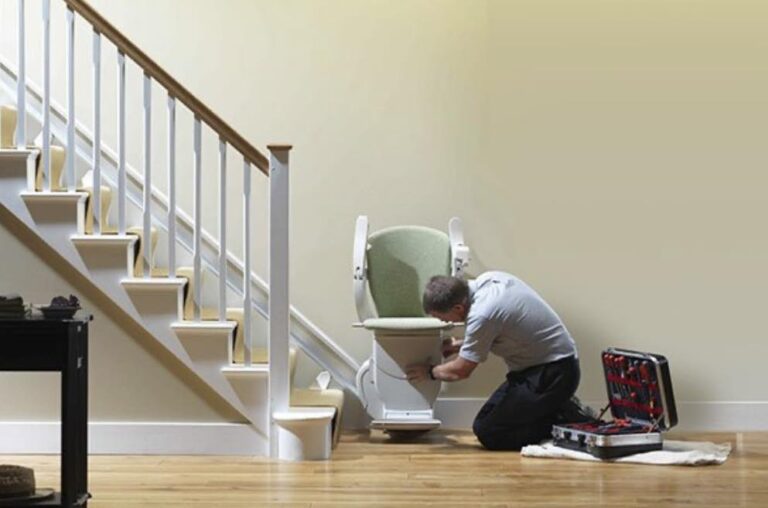
Once approved, a stairlift installer is assigned to the project. The stairlift is fitted, tested, and signed off once the home is safe and accessible.
How Long Does the DFG Process Take in 2025?
Waiting times vary across Teesside. Demand has increased, and local authorities manage cases in order of medical priority.
Typical timescales are:
- OT assessment: 2–12 weeks
- Financial assessment: 1–4 weeks
- Approval decision: Up to 6 months
- Installation: Usually within 2–4 weeks after approval
Money 4 Stairlifts can also offer guidance on alternative options if families need support faster.
Do Stairlift Type and Price Affect Grant Approval?
Yes, the type of stairlift will be considered, especially if the staircase requires a curved rail.
Straight stairlifts are usually easier to approve because they are less expensive and faster to install. Curved stairlifts require more detailed justification because they cost more and are custom-built.
The OT will recommend the most suitable option based on:
- Mobility needs
- Home layout
- Safety
- Daily use requirements
This recommendation is key to approval.
Can You Choose Any Stairlift Supplier with the Grant?
Many councils allow applicants to choose from approved installers. In some cases, families may use their own supplier, but this must be authorised before installation.
Money 4 Stairlifts helps families understand the differences between stairlift models, costs, and suitability before applying.
Can You Sell the Stairlift Later?
A stairlift purchased through the DFG belongs to the homeowner after installation. This means it can be sold, removed, or replaced later if no longer required.
Money 4 Stairlifts can help assess resale value, especially for straight lifts, which often have better second-hand demand.
Other Funding Options in Teesside
If the DFG is not suitable or the waiting time is too long, there are alternative options:
- Reconditioned stairlifts
- Payment plans
- Charity grants
- Private home adaptation funding
These options can reduce cost pressure while still improving accessibility.
Tips for a Successful Grant Application
Before applying, it helps to prepare supporting details. This can make the process smoother and reduce delays.
Here are simple steps:
- Keep a record of mobility challenges on the stairs
- Gather medical details or support letters
- Ensure the staircase is accessible and safe for installation
- Understand the type of stairlift likely needed
Families often find that preparing early improves approval speed.