Search behaviour shows that users often compare straight and curved stairlifts before requesting a quote. The type of staircase directly affects the price, installation time, and long-term value. This guide breaks down the fundamental differences between straight and curved stairlift costs in 2026 so families can make a clear, confident decision. Money 4 Stairlifts removes lifts across the UK and speaks with homeowners every day about price concerns. This blog is written to provide practical, easy-to-understand advice.
If you are unsure whether your staircase requires a straight or curved model, or if you are comparing new vs reconditioned options, the sections below will help you understand what to expect. Each type comes with different installation requirements and different price points, so it is important to understand the differences before requesting a quote.
What Is a Straight Stairlift?
Straight stairlifts are designed for simple staircases with no bends, landings, or turns. Because the rail is a standard shape and size, the price is lower and installation is faster. Most modern UK homes with a single flight of stairs can use a straight stairlift without any modifications.
They remain the most popular choice because they offer quick installation, easy servicing, and lower running costs. They also tend to have higher resale value because they can be reused in more homes compared to bespoke curved models.
What Is a Curved Stairlift?
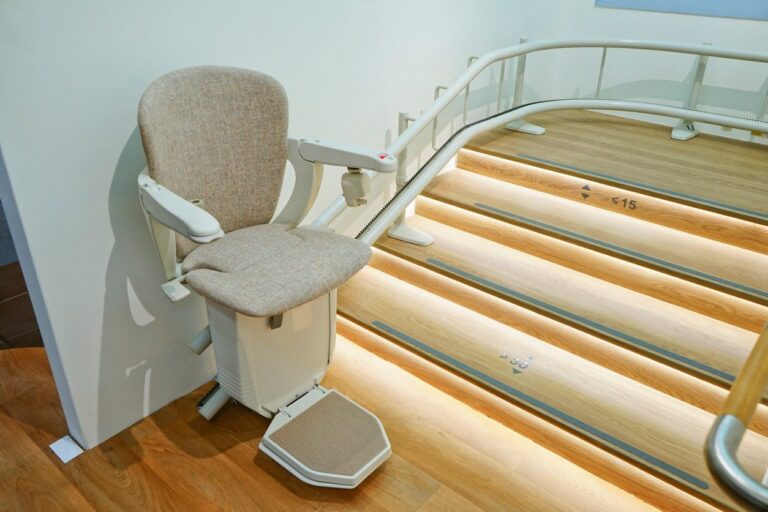
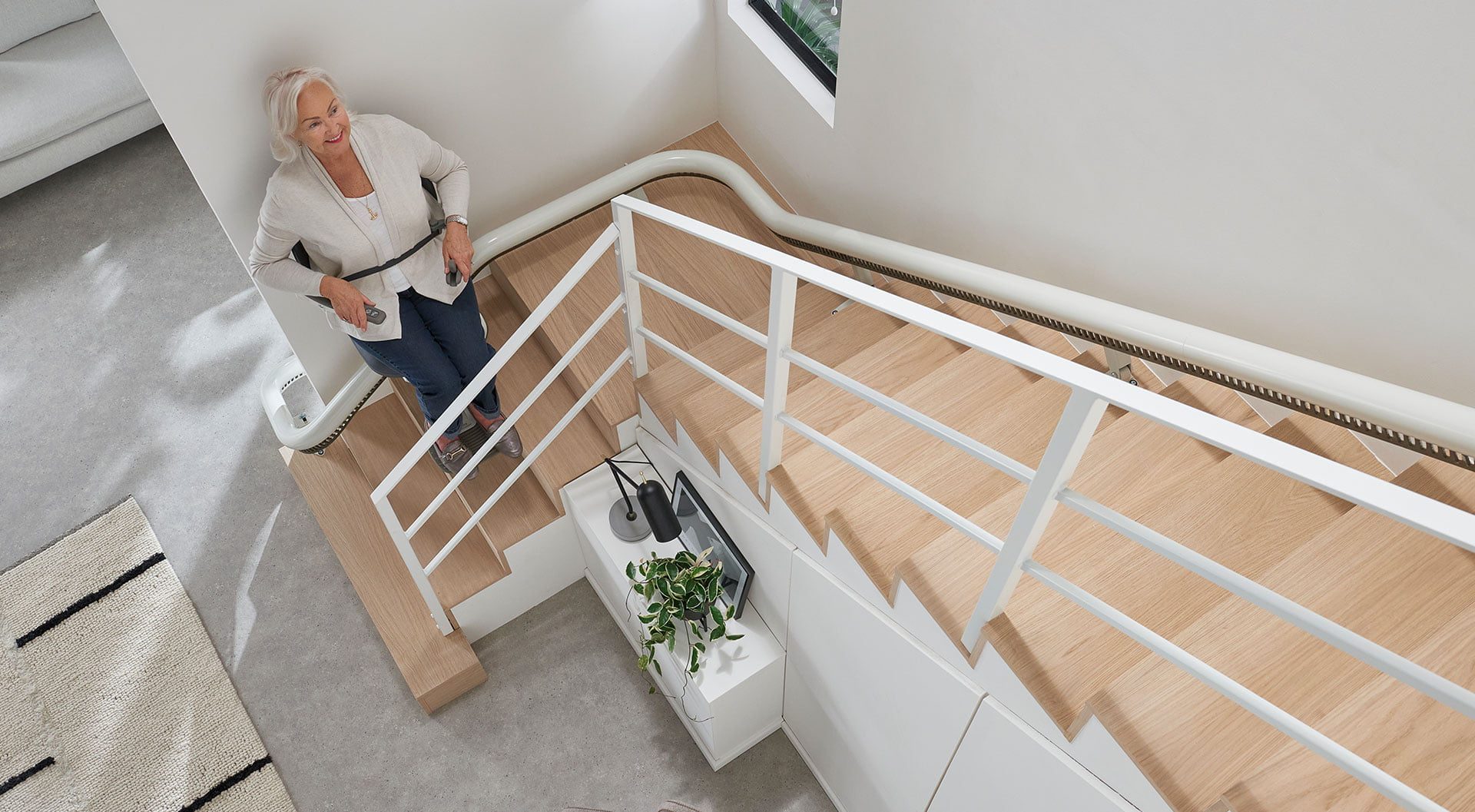
Curved stairlifts are built for staircases that turn, bend, or include multiple levels. These lifts require a fully customised rail, which is measured and manufactured specifically for the home. Because of this, they cost more, take longer to install, and cannot be reused in another property.
Curved stairlifts offer more flexibility, especially in older homes or houses with split landings. Their design makes them ideal for properties with unique layouts, but the extra complexity is reflected in the overall cost.
Straight Stairlift Costs in 2026
Straight stairlifts continue to be the most affordable option, and prices have remained stable across the UK. New straight models tend to start at a lower upfront cost compared to curved versions, which is why many homeowners choose them when possible.
Reconditioned straight stairlifts offer further savings, often providing the best value for money. Because straight rails are universal in shape, they can be restored and reused without needing full custom manufacturing.
Typical 2026 Prices:
- New straight stairlift: £1,800–£2,800
- Reconditioned straight stairlift: £1,200–£1,700
- Straight stairlift installation: Often included, depending on the supplier
- Removal cost: Sometimes free if the lift has resale value
For personalised cost guidance, users can visit the Stairlift Cost Calculator.
Curved Stairlift Costs in 2026
Curved stairlift prices vary significantly because the rail must be manufactured to fit the exact shape of the staircase. Even small changes, such as a single bend or an extended landing, can affect the price. Curved models also involve longer installation times and more detailed engineering work.
Unlike straight stairlifts, curved lifts cannot be reused in another home. This makes reconditioned curved options far less common, and when they are available, they still require a new custom rail.
Typical 2026 Prices:
- New curved stairlift: £4,500–£8,500
- Reconditioned curved stairlift: £3,500–£5,500 (rare due to custom rails)
- Custom rail manufacturing: Included in most quotes
- Removal cost: Usually chargeable unless parts can be reused
These figures can change depending on the number of turns, staircase length, and brand.
Why Curved Stairlifts Cost More Than Straight Models
The price difference between straight and curved stairlifts is significant, and homeowners often want to understand why. Custom design is the biggest factor: every curved rail is individually measured, shaped, and manufactured. This process requires specialist equipment and more engineering time, which increases the overall price.
Another factor is installation. Curved models require more fitting time, adjustments, and testing to ensure smooth travel throughout each bend. The additional labour, materials, and engineering expertise all contribute to a higher final cost.
Installation Times: Straight vs Curved
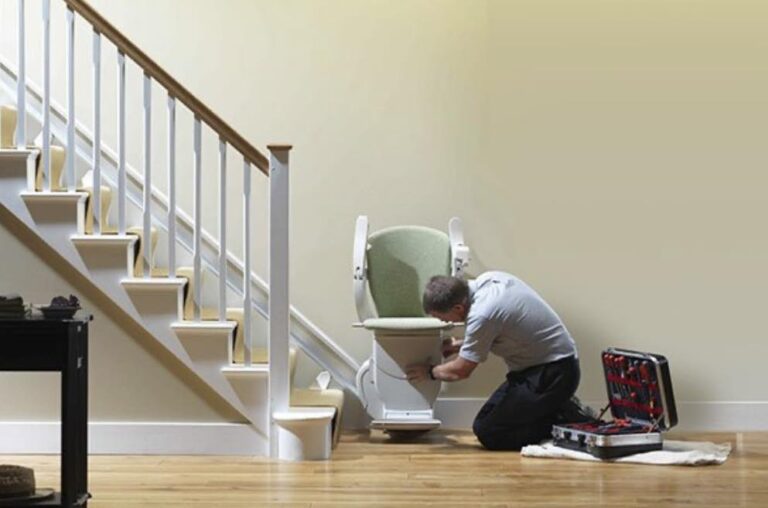
Straight stairlifts can often be installed within a few hours. Because the rail is already manufactured, the engineer simply fits it to the steps, installs the chair, and tests the controls.
Curved stairlifts, by comparison, require more detailed work. The installation time is longer because the track must align perfectly with every bend or landing. These lifts often require more testing to ensure safe operation along the entire route.
Typical Installation Times:
- Straight stairlift: 2–3 hours
- Curved stairlift: 4–8 hours
This difference also affects labour costs.
Running Costs: Are Curved Stairlifts More Expensive?
Both types are affordable to run, with electricity costs typically between £12–£20 per year. Curved lifts may use slightly more power due to longer rails or extra motor strain, but the difference remains minimal.
The biggest long-term cost difference is not electricity — it is servicing. Curved stairlifts sometimes require more specialist servicing due to their track shape and complexity.
Which Option Has the Best Resale Value?
Straight stairlifts have the highest resale value. Because their rails are universal, they can be refurbished and reused by other families across the UK. This allows companies like Money 4 Stairlifts to offer free removal when the lift is in good condition.
Curved stairlifts typically have little to no resale value. The customised rail cannot be reused, meaning only the chair and motor can be recovered. Because of this, removal is more likely to involve a charge.
Which Type Should You Choose?
Choosing between a straight and curved stairlift depends entirely on your staircase. If your home has a simple staircase, a straight stairlift offers the best value and is the easiest option to install and maintain.
If your staircase turns or bends, a curved stairlift is the safest and most effective option. Although the cost is higher, it offers full access to the home and ensures reliable operation on complex layouts.
If you are unsure which type you need, Money 4 Stairlifts can provide guidance and help assess what will work for your home.