If you’re searching for “remove my stairlift” or trying to understand why some removals take longer or cost more than others, the first thing to know is this: straight and curved stairlift removals are not the same. They look similar from the outside, but the way they’re built, installed and dismantled is entirely different.
This is why one stairlift removal can be quick and simple, while another may require more time and planning. Whether you’ve inherited a stairlift in a house move, no longer need the equipment, or want more space on your staircase, understanding the difference helps you make the right choice when booking a stairlift removal company.

Why Straight and Curved Stairlifts Are Built Differently
Straight stairlifts are designed for staircases without turns or landings. They run along a single straight rail and are, by design, the most universal type of stairlift. Curved stairlifts are different; they’re custom-made to fit the exact bends, turns and shape of one staircase.
This difference affects everything: installation time, removal time and whether the stairlift has resale value. Straight rails are often reusable. Curved rails almost never are.
Before we delve into the technical differences, it’s helpful to understand why the removal process must match the design of the lift.
Straight stairlifts follow a predictable structure. They use standard brackets, rail lengths and motor positions. Curved stairlifts, on the other hand, vary drastically between homes. Even two curved stairlifts from the same brand will rarely fit each other’s staircases.
How Straight Stairlift Removal Works
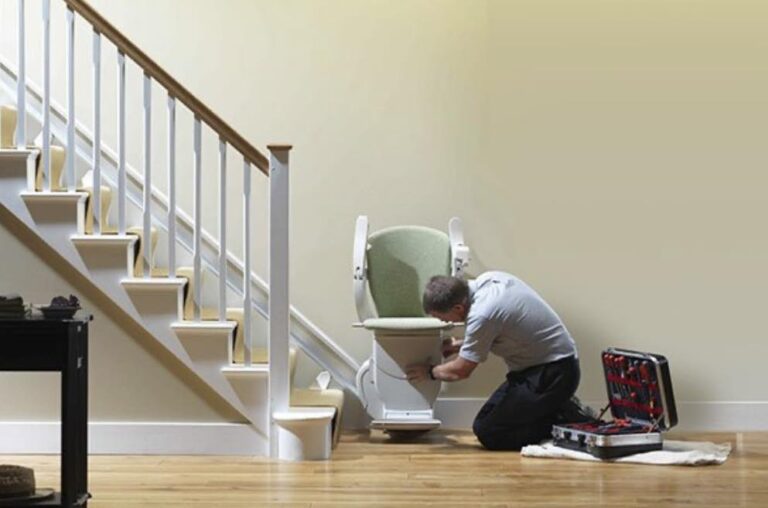
Straight stairlifts are the simplest to remove because they use a straight rail that can be detached cleanly from the staircase. The process is familiar to any experienced stairlift removal company and follows a structured approach.
Before listing the key steps, here are two paragraphs to introduce the process clearly:
A straight stairlift uses fewer brackets and fixings than a curved lift. It also contains fewer custom-built parts, so engineers can disconnect the power, lift the chair off the track and dismantle the rail in a predictable order. This makes removal quick and tidy.
Another benefit is that straight stairlifts often have resale value. Many can be refurbished or reused in another home because their rail can be adjusted or cut to size. This is one of the main reasons straight stairlifts sometimes qualify for free stairlift removal.
Straight stairlift removal usually includes:
- Electrical disconnection
- Removal of chair and motor
- Detaching the straight rail from the staircase
- Lifting out the rail in one or two sections
- Clearing all brackets and fixings
- Preparing the staircase for normal use

How Curved Stairlift Removal Works
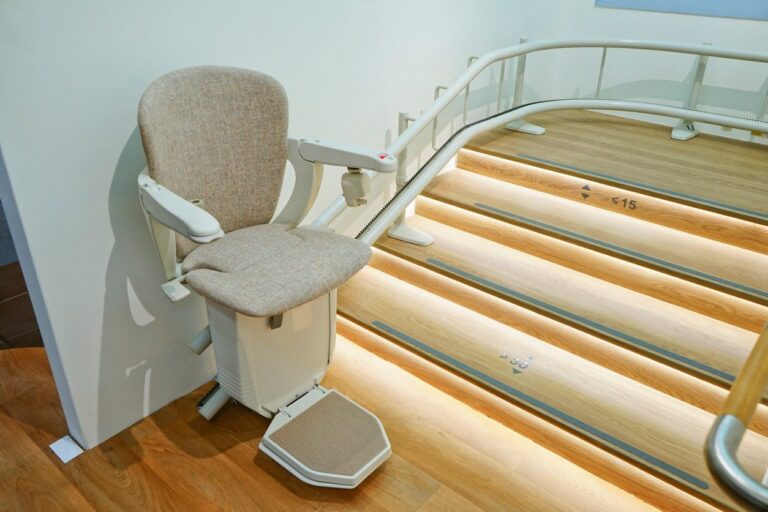
Curved stairlifts are more complex because the rail is custom-built for a specific staircase. No two curved rails are the same, even within the same brand. This means the rail cannot be reused elsewhere, which affects removal time and resale value.
Curved stairlifts often require more brackets and additional joining points because the rail must follow bends and turns. Removing these parts requires careful handling to protect the staircase, walls and bannister. The chair and motor can sometimes be reused, but the rail almost always needs to be recycled.
Because curved rails are custom-made, they require more work to dismantle and remove from the property. Engineers must take time to separate each section safely and avoid damage.
Curved stairlift removal usually includes:
- Disconnecting power safely
- Removing the chair and motor
- Dismantling the curved rail in multiple sections
- Removing custom brackets and supports
- Managing tight turning points or narrow landings
- Preparing the stairs and clearing any remaining fixings
Which Type of Stairlift Is Harder to Remove?
Curved stairlifts take longer to remove because they are built in a more complex way. Straight stairlifts are simpler, faster and often cheaper because the components are easier to access and dismantle.
Both types require proper training and the right tools, but the level of custom work in a curved stairlift makes a noticeable difference. A curved rail may run along the wall, around bends, or across multiple floors, with each part requiring careful attention.
A straight stairlift usually leaves the staircase clear within a shorter appointment, while curved systems can take more time, depending on the home layout.
Straight removals are usually easier because:
- Rails are not custom-made
- Fewer parts are involved
- Brackets are easier to access
- Sections are simpler to lift out
- Rails can sometimes be reused
Does One Type Have More Resale Value?
Straight stairlifts usually hold more value because they can be installed in other homes. Refurbishment companies can adjust the rail length, replace batteries and prepare the lift for resale.
Curved stairlifts rarely retain value because their rails cannot be reused. Sometimes the motor or the chair can be salvaged, but the rail is usually recycled. This is why some curved models may qualify for free stairlift removal instead of a purchase offer.

Is DIY Removal Ever Recommended?
DIY removal of any stairlift, straight or curved, is not advisable. Both types contain electrical connections, heavy components and structural fixings that must be handled properly. Removing a stairlift incorrectly can damage the staircase, break the rail or leave wiring unsafe.
Even if you have experience with home maintenance, removing a stairlift requires careful steps and a solid understanding of safety. The safest approach is to use a trained removal company.
How Money 4 Stairlifts Removes Straight and Curved Stairlifts Safely
Money 4 Stairlifts removes both straight and curved stairlifts across the UK. Their engineers understand the differences between each type and use the right method for safe, tidy removal. Whether the stairlift is in full working order, older, or left behind in a property you’ve just moved into, the team can dismantle it securely and prepare your staircase for everyday use.
They also assess whether the stairlift has value and can offer advice if you’re hoping to sell your stairlift or find out whether your model qualifies for free stairlift removal. Removing a stairlift becomes far easier when handled by individuals who understand the equipment and how it interacts with the home.