When a stairlift is no longer needed, most homeowners want it removed quickly, safely and without disruption. But there’s one question people rarely think about until the lift is gone: What actually happens to a stairlift after removal?
If you’ve been searching for “remove my stairlift”, “used stairlift collection”, or “free stairlift removal”, understanding what happens to the equipment afterwards can help you choose the right stairlift removal company and make an informed decision about your options.
Many people assume stairlifts are thrown away, but that’s far from the truth. In reality, most stairlifts can be recycled, reused, refurbished or repurposed, and each path depends on the model, condition, and demand for replacement parts. This guide explains each stage, helping you understand where your stairlift goes once it leaves your home.
Why Stairlifts Are Rarely Just Thrown Away
A stairlift is composed of several key components, including metal rails, electronic components, motors, batteries, safety sensors, chair frames, and upholstery. Because of this, throwing a stairlift straight into a landfill isn’t responsible, and it’s rarely necessary.
Most stairlift removal companies aim to reuse or recycle as much as possible. This reduces waste and allows working parts to benefit other homeowners, especially those who need affordable mobility solutions.
It’s worth knowing that your stairlift may go on to help someone else, even if the lift is older or no longer works perfectly. Parts that remain in good condition can often be refurbished, tested and reused in a different setting.
What Happens During the Assessment Stage
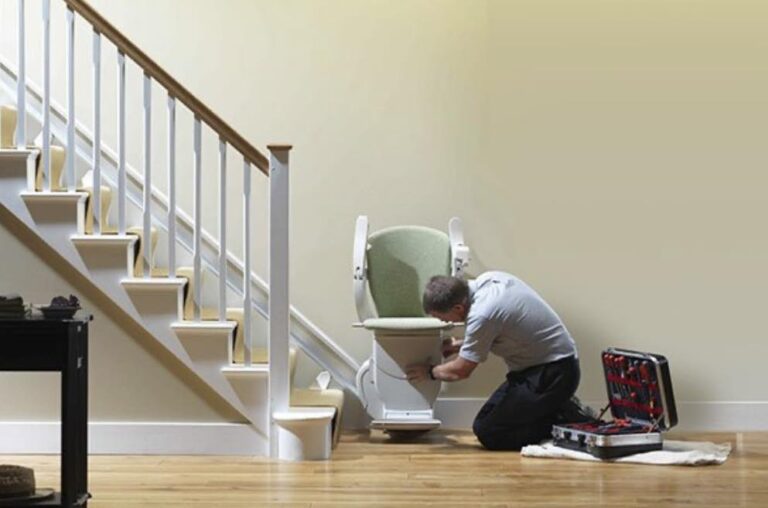
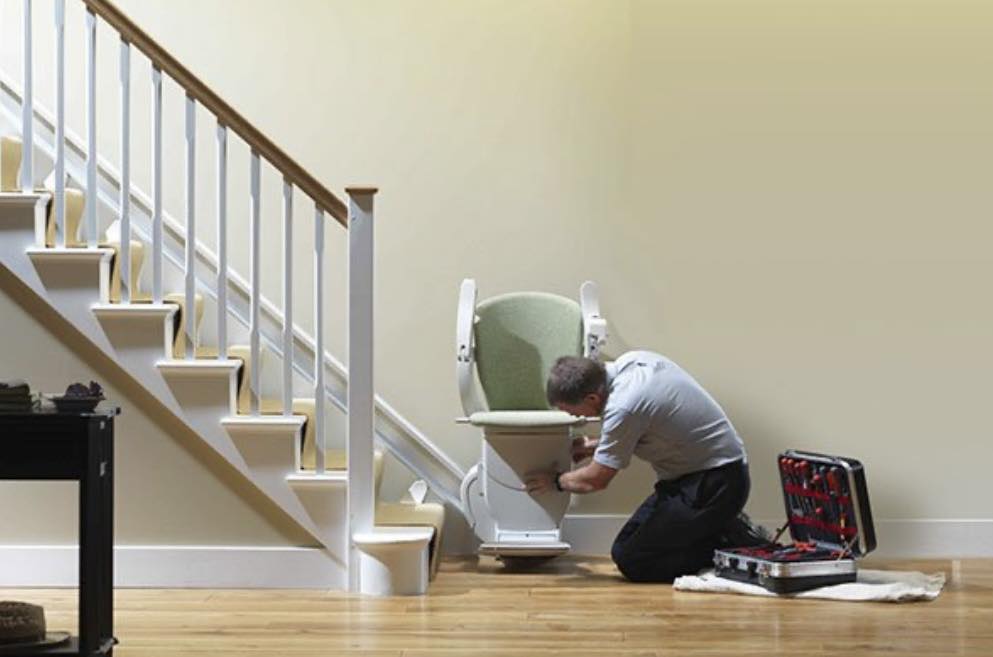
Before deciding how a stairlift will be reused or recycled, engineers look at the lift during the removal process. They check the condition of the chair, the motor, the track, and the electrical parts. This assessment determines whether the lift can be refurbished, whether parts can be salvaged, or whether the stairlift should be responsibly recycled.
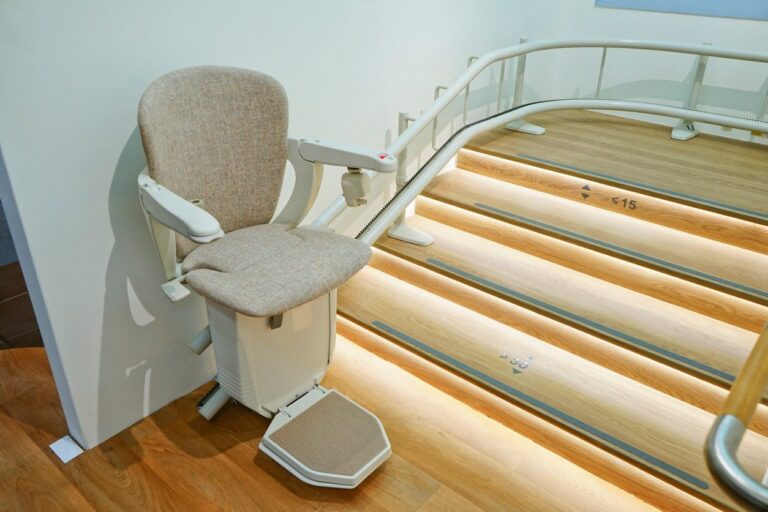
Straight stairlifts often have more options available because their tracks can be adjusted or cut to size for a different home. Curved stairlifts, however, are so customised that their rails cannot usually be used again. In those cases, only specific components will be suitable for refurbishment.
A typical assessment reviews:
- The condition of the chair and seat frame
- Whether the motor runs smoothly
- Track condition and wear
- Battery life and safety features
- Brand and parts availability
- Demand for similar models
How Stairlifts Are Reused After Removal
When a stairlift is in good condition, refurbishment is the most common outcome. A refurbished or reconditioned stairlift can help individuals who need mobility support but prefer a more affordable option than purchasing a new one.
Refurbishment involves cleaning, safety testing, replacing worn parts and preparing the stairlift for installation in another home. Many straight stairlifts are well-suited for refurbishment, especially if they’re less than 8-10 years old.
Refurbishment makes stairlifts accessible for people who might not otherwise be able to afford one. It also reduces waste, extends the life of functional equipment, and ensures that lifts continue to support mobility needs for many years. For homeowners searching for “sell my stairlift”, refurbishment often helps determine whether your model has value.
Depending on the condition of the lift, companies may offer a purchase price, free removal or recycling support. Either way, the goal is to handle the equipment responsibly.
A stairlift may be refurbished if:
- The lift is fully working
- Spare parts are available
- The motor and seat are in good condition
- Batteries can be replaced or upgraded
- The rail is straight and reusable
- The brand is still supported

What Happens When a Stairlift Cannot Be Reused?
Some stairlifts are too old, worn or specialised to be restored. Curved stairlifts, for example, have rails specifically designed for use on a single staircase. Even if the chair and motor still work, the rail is rarely suitable for another home.
In these situations, recycling becomes the next best option. Many parts can still be recovered and used again, even if the lift can’t be reinstalled.
Recycling helps ensure metals, wiring, motors and other components are repurposed without waste. The upholstery, batteries and electronic pieces may be broken down separately, depending on the type of materials involved. This process reduces the environmental impact and ensures as little as possible ends up in landfill.
Recycling is especially common for stairlifts older than 10–12 years or for models from discontinued brands. Even when refurbishment isn’t possible, recycling keeps the process responsible and eco-friendly.
Stairlifts are usually recycled when:
- The rail is curved or custom-made
- The lift is too old to refurbish
- Parts are discontinued
- The batteries are worn out
- The motor has faults
- The model has no resale demand
What About Selling My Stairlift?
If your stairlift is modern, straight and in good condition, you may be able to sell it or receive a contribution towards removal. This is most common with mid-range or premium-brand models.
Selling is not always guaranteed, as demand varies based on age, condition and availability of parts. But for the right lift, selling can be a helpful option if you’re hoping to recover some of the original cost.
Companies will inspect the model’s age, track design, and overall condition. If the refurbishment is straightforward and the lift is in high demand, you may receive a purchase offer. If not, free removal may still be possible.
Homeowners sometimes try to sell their properties privately, but this can be challenging due to transportation and dismantling requirements. Choosing a professional stairlift removal company makes the process easier and helps avoid the risks associated with DIY removal.
Your stairlift may have value if:
- It’s a straight model
- It’s less than 8 years old
- It runs smoothly without faults
- Replacement parts are available
- The brand is well-known
- It can be refurbished safely
Why Money 4 Stairlifts Handles Your Stairlift Responsibly
Once your stairlift is removed, Money 4 Stairlifts ensures it is reused or recycled safely and efficiently. Their team checks whether the lift can be refurbished, reused for parts or responsibly broken down. This approach keeps the process simple for homeowners and ensures that your equipment is handled correctly from start to finish.
Whether your stairlift is ready for refurbishment, recycling or disposal, the team ensures it is managed with care. If you’re unsure whether your lift has value or qualifies for free stairlift removal, Money 4 Stairlifts can provide a clear assessment based on your model, age and condition.